
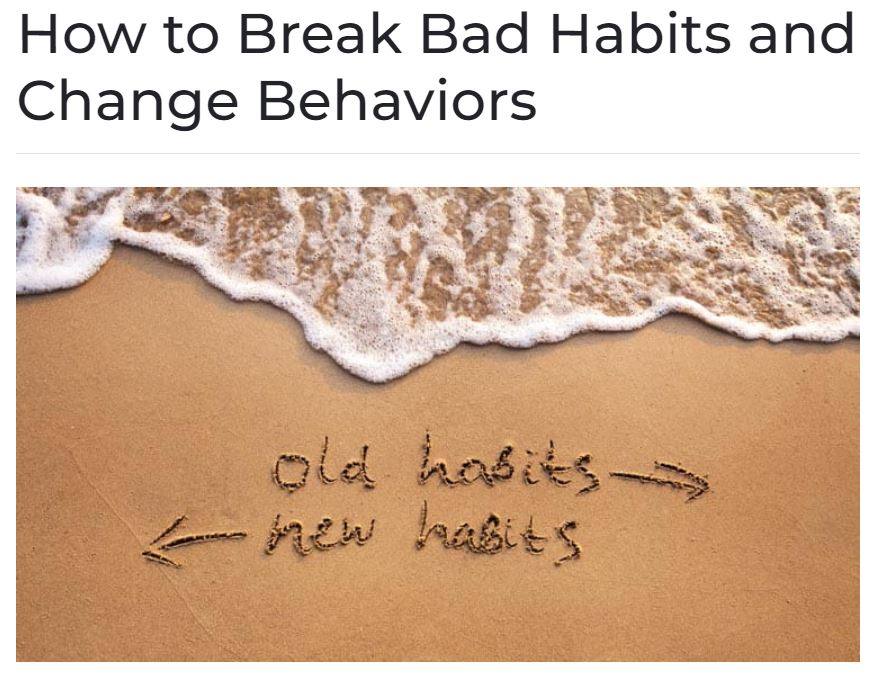
Old habits can be hard to break, and new habits hard to make. But with these six basic steps, you can develop new, healthy behaviors that stick.
How to Break Bad Habits and Change Behaviors | American Heart Association

Old habits can be hard to break, and new habits hard to make. But with these six basic steps, you can develop new, healthy behaviors that stick.
How to Break Bad Habits and Change Behaviors | American Heart Association


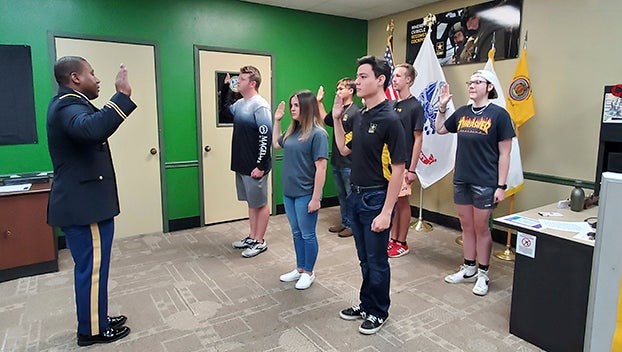
This Veteran’s Day we are also honoring the spouses and families of Veterans. Veteran spouses and families often face unique challenges and sacrifices due to the nature of military life. Here are some of the most common sacrifices they experience:
Frequent Relocations
Military families move often, sometimes every few years. Constant moves mean spouses and children must frequently adapt to new schools, jobs, friends, and communities, which can disrupt social and educational stability.
Extended Periods of Separation
During deployments or training exercises, service members are often away for months or even years. Spouses must take on additional responsibilities at home, essentially serving as single parents and managing the household alone. This extended separation can strain relationships and be emotionally challenging for both the service member and family members left behind.
Career Sacrifices for Spouses
Due to frequent moves and the unpredictability of military life, many military spouses find it challenging to maintain stable careers. Gaps in employment and job market challenges can limit their professional growth and financial independence.
Emotional and Mental Health Struggles
Families of veterans, especially those who served in combat, may experience stress and worry about the safety and well-being of their loved ones. When veterans return, they may struggle with PTSD or other mental health challenges, which can impact family dynamics and place a strain on relationships.
Financial Uncertainty
Although the military provides certain benefits, some families face financial challenges, especially after leaving the service. Veterans might struggle to find stable employment or may need to rely on benefits that sometimes don’t fully meet their needs.
Challenges with Reintegration
When veterans return home, especially after long or multiple deployments, the transition to civilian or family life can be difficult. Adjusting to a more routine lifestyle, reconnecting with family, and addressing any physical or emotional scars can take time and patience from everyone involved.
Impact on Children
Children of veterans and active-duty members may experience emotional difficulties due to parental separation or the stress of frequent moves. They may also struggle to understand and cope with the challenges their parent faces, especially if that parent returns with visible or invisible wounds of war.
These sacrifices highlight the resilience and strength of military families, who play a critical role in supporting veterans and contributing to their overall well-being during and after service.
#veteranspouses#veteranfamily#VeteransDay#VeteranSupport#VeteransDay2024
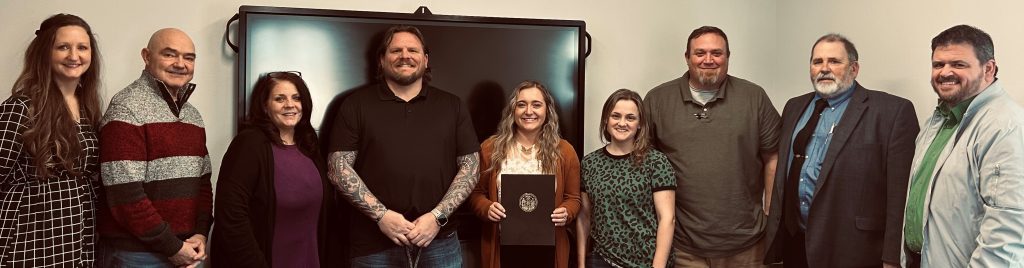
As Veteran’s Day approaches, we wanted to share some supportive information for those who care about the wellness of our military members, our Veterans, former and current military spouses, and friends and families of those who volunteer to defend the United States. We’re honored to be a Veteran Ready organization that was recognized by Governor Evers for our onboarding program that supports and empowers those who sacrifice so much for us all.
Transitioning from military service to civilian life can be a challenging process that often brings about a variety of mental health issues. Some of the most common challenges include:
1. Adjustment Disorder: The shift from a highly structured military environment to the more flexible civilian world can lead to adjustment disorders, characterized by stress, anxiety, and depressive symptoms as individuals adapt to new roles and routines.
2. Post-Traumatic Stress Disorder (PTSD): Veterans may continue to struggle with PTSD from combat or other traumatic experiences during their service, affecting their ability to integrate into civilian life.
3. Depression: The loss of camaraderie, identity, and sense of purpose associated with military service can contribute to feelings of sadness, hopelessness, and depression.
4. Anxiety: Uncertainty about employment, financial stability, and fitting into civilian society can lead to heightened anxiety levels.
5. Substance Abuse: Some Veterans may turn to alcohol or drugs as a coping mechanism for dealing with stress, trauma, and the difficulties of reintegration.
6. Identity and Purpose Issues: The transition often involves a significant change in identity and a loss of the sense of purpose and belonging that military service provides, leading to existential questions and a struggle to find new meaning in civilian life.
7. Relationship Strain: Reintegration can put a strain on family relationships and friendships, as Veterans and their loved ones adjust to changes in roles and dynamics.
8. Occupational Challenges: Finding and adjusting to civilian employment can be difficult, leading to frustration, low self-esteem, and financial stress. Veterans may also struggle to translate their military skills and experience into civilian job qualifications.
9. Social Isolation: Veterans may feel isolated due to a perceived lack of understanding and support from the civilian community, leading to loneliness and social withdrawal.
10. Moral Injury: Experiences that conflict with one’s moral or ethical beliefs can result in moral injury, causing profound guilt, shame, and spiritual distress.
11. Crisis: The combination of these mental health challenges can lead to crisis, particularly if Veterans feel overwhelmed or lack adequate support.
12. Healthcare Navigation: Navigating the civilian healthcare system to access mental health services and benefits can be confusing and frustrating, further exacerbating stress and mental health issues.
Addressing these challenges often requires a comprehensive support system, including access to mental health services, peer support groups, employment assistance programs, and community resources specifically designed for veterans transitioning to civilian life.
#veterans#VeteransDay2024#VeteransDay#veteranready#veteransupport
October is National Bullying Prevention Month and in this week’s episode of “Awkward Conversations,” an encore from Season 3, Jodie Sweetin of “Full House” and “Fuller House” and clinical psychologist Dr. Krystal Lewis are joined by anti-bullying advocate and author Jodee Blanco. Together, they dive into the emotional toll of bullying and how it can lead to substance use.
For those who may be at high-risk for an opioid overdose, you can have naloxone discretely mailed to you at no cost. See the link below.
Free fentanyl test strips are available by mail to residents of Wisconsin. Test strips are an excellent tool but need to be part of an overall harm reduction strategy. Also see the link below.

Supporting a child who may have experienced trauma requires patience, understanding, and a supportive environment. Here are some ways parents can help:
1. Create a Safe Environment: Ensure the child feels physically and emotionally safe at home. This may involve removing triggers or reminders of the trauma and providing a calm and consistent routine.
2. Open Communication: Encourage open and honest communication with your child. Let them know that it’s okay to talk about their feelings and experiences, but don’t pressure them to share before they’re ready.
3. Validate Feelings: Validate your child’s feelings and let them know that whatever they’re feeling is okay. Avoid dismissing or minimizing their emotions.
4. Provide Reassurance: Offer reassurance and comfort to your child. Let them know that you are there to support them and that they are not alone.
5. Seek Professional Help: If you’re concerned about your child, their attempts to cope are ineffective or unhealthy, their symptoms are impacting their ability to function in multiple environments or last longer than 4-6 weeks, consider seeking help from a professional therapist or counselor who specializes in working with children who have experienced trauma. Professional support can provide additional tools and strategies for coping and healing. When in doubt reach out to a professional (Case Manager, Mental Health or Medical Provider- Family Doctor, Therapist, Psychologist, Psychiatrist) or the Crisis Hotline- 988 or 1-800-362-5717 (Grant and Iowa Counties) for support, guidance, or a consult.
6. Maintain Stability: Try to maintain a sense of stability and routine in your child’s life. Predictability can help them feel more secure and in control.
7. Encourage Healthy Coping Mechanisms: Teach your child healthy coping mechanisms such as deep breathing, mindfulness, or engaging in activities they enjoy.
8. Model Healthy Coping: Be a positive role model for your child by demonstrating healthy coping strategies and managing your own stress in constructive ways.
9. Encourage Self-Expression: Encourage your child to express themselves creatively through activities like drawing, writing, or playing music. This can help them process their emotions in a safe and non-verbal way.
10. Sleep: Sufficient sleep is essential for children to process emotions and consolidate memories, including those related to traumatic experiences. During sleep, the brain undergoes processes that help regulate emotions and consolidate memories, which can be especially important for children dealing with trauma. Lack of sleep can exacerbate stress and emotional instability, making it more difficult for children to cope with traumatic experiences. Establishing a regular sleep schedule and ensuring children have a comfortable sleep environment can support their emotional resilience.
11. Hydration: Hydration is critical for overall health and brain function. Dehydration can affect mood, cognitive function, and physical well-being, which can exacerbate the effects of trauma on children. Drinking enough water helps maintain proper brain function, including memory and concentration, which are important for processing and coping with traumatic experiences. Encouraging children to drink water regularly throughout the day can support their physical and emotional resilience.
12. Nutrition: Proper nutrition is essential for children’s physical and mental development. Nutrient-rich foods provide the energy and nutrients needed for optimal brain function, mood regulation, and stress management. Eating a balanced diet that includes a variety of fruits, vegetables, whole grains, lean proteins, and healthy fats can support children’s overall well-being and resilience in the face of trauma.
13. Be Patient: Healing from trauma takes time, so be patient with your child and yourself. Celebrate small victories and progress along the way.
Remember that every child is different, and what works for one may not work for another. It’s important to be flexible and responsive to your child’s individual needs.
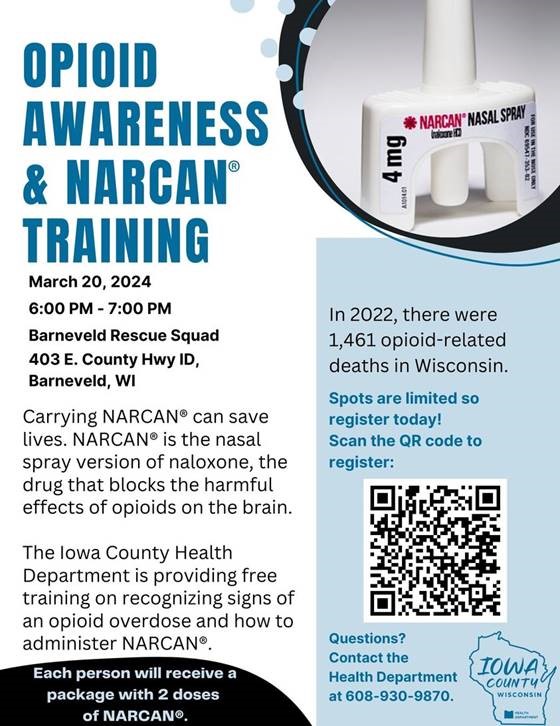
Interested in learning more about opioids and having NARCAN available to help save a life? We are offering another free NARCAN training on March 20, 2024, from 6pm to 7pm at the Barneveld Area Rescue Squad 403 Bus Id, Barneveld, WI.
Anyone is welcome to attend this training on recognizing signs and symptoms of an opioid overdose and how to administer naloxone. Each participant will receive a kit that contains two doses of NARCAN.
Register by scanning the QR code or clicking on the link:
Interested in learning more, but cannot attend this training…Individual training sessions are available by appointment at the Health Department. Call 608-930-9870 for more information/to schedule an appointment.

If you’re ready to be a member of a team that shows up for each other, that takes the time to listen to each others’ needs and volunteer to help balance each others’ workloads, who have healthy boundaries but also aren’t afraid to be vulnerable, who welcome authenticity while inspiring each other to be their very best, who desire being held accountable to invest in and sustain your own health which contributes to longevity and consistency of service, who desire passion and purpose in addition to a paycheck and benefits, then you’re ready for Unified Community Services.
We’re looking to hire outpatient behavioral health clinicians to become part of an already phenomenal team that does heroic and honorable work in Iowa and Grant County.
We’re looking to give opportunities to interns of high integrity who want to immerse themselves in the service of clients who many health systems refuse to serve, who want to apply your knowledge to gain experience and expertise in real world challenges, and who want to build a foundation of professional excellence you can take pride in.
Our success is your fulfillment.
Your flourishing is our clients thriving.
We’re ready to add to our team. Are you ready to be part of it?